Atocha Emeralds: The Story Behind a Lost Treasure

Atocha Emeralds tell the extraordinary story of Colombian gemstones lost aboard the Spanish treasure galleon *Nuestra Señora de Atocha* in 1622. Recovered more than 363 years later from the waters of the Florida Keys, these emeralds provide a unique link between the legendary mines of Muzo and Chivor, the Spanish Empire's treasure fleets, and one of the most celebrated underwater discoveries in history.

Atocha Emeralds: The Story Behind a Lost Treasure

Atocha Emeralds tell the extraordinary story of Colombian gemstones lost aboard the Spanish treasure galleon *Nuestra Señora de Atocha* in 1622. Recovered more than 363 years later from the waters of the Florida Keys, these emeralds provide a unique link between the legendary mines of Muzo and Chivor, the Spanish Empire's treasure fleets, and one of the most celebrated underwater discoveries in history.

In this article

Atocha Emeralds are among the most remarkable treasures ever recovered from a historic shipwreck. Originally mined in Colombia and transported across the Spanish Empire, these gemstones were aboard the Nuestra Señora de Atocha when the famous treasure galleon sank during a hurricane off the Florida Keys in 1622. Lost beneath the sea for more than three centuries, the emeralds remained hidden until their rediscovery by Mel Fisher’s team in 1985. Their story combines Colombian mining history, Spanish colonial trade, maritime archaeology, and one of the greatest treasure recoveries ever achieved.

Atocha Emeralds and the Spanish Treasure Fleet

During the sixteenth and seventeenth centuries, Colombian emeralds ranked among the most valuable gemstones in the world. Extracted from the legendary mines of Muzo and Chivor, they were transported across rivers, mountains, and Caribbean ports before being loaded onto Spanish treasure ships bound for Europe.

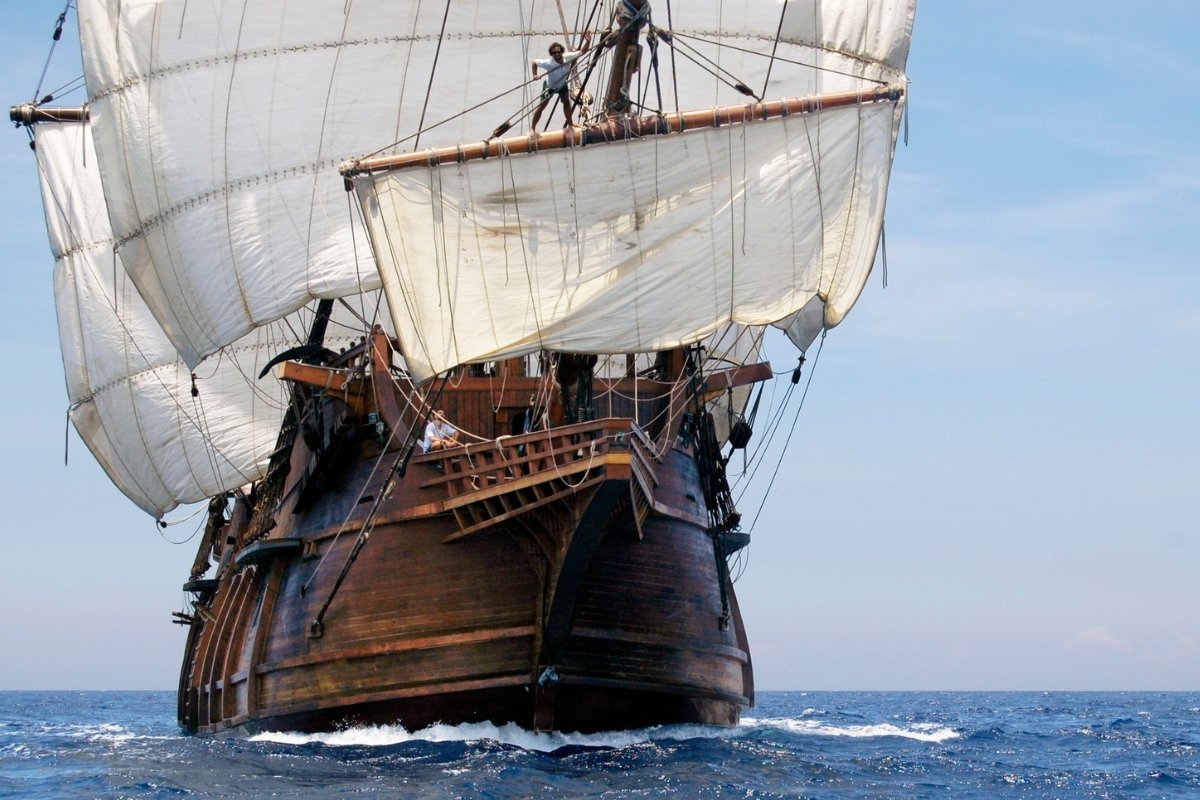
A photo of the galleon Andalucia, a modern replica.
The galleon Andalucia ©Fundacion Nao Victoria

The Nuestra Señora de Atocha was part of the Spanish treasure fleet responsible for transporting immense quantities of wealth from the Americas to Spain. Alongside gold, silver, and luxury goods, the ship carried a significant cargo of Colombian emeralds destined for members of the Spanish Crown, merchants, and wealthy private owners.

Atocha Emeralds Lost in the 1622 Disaster

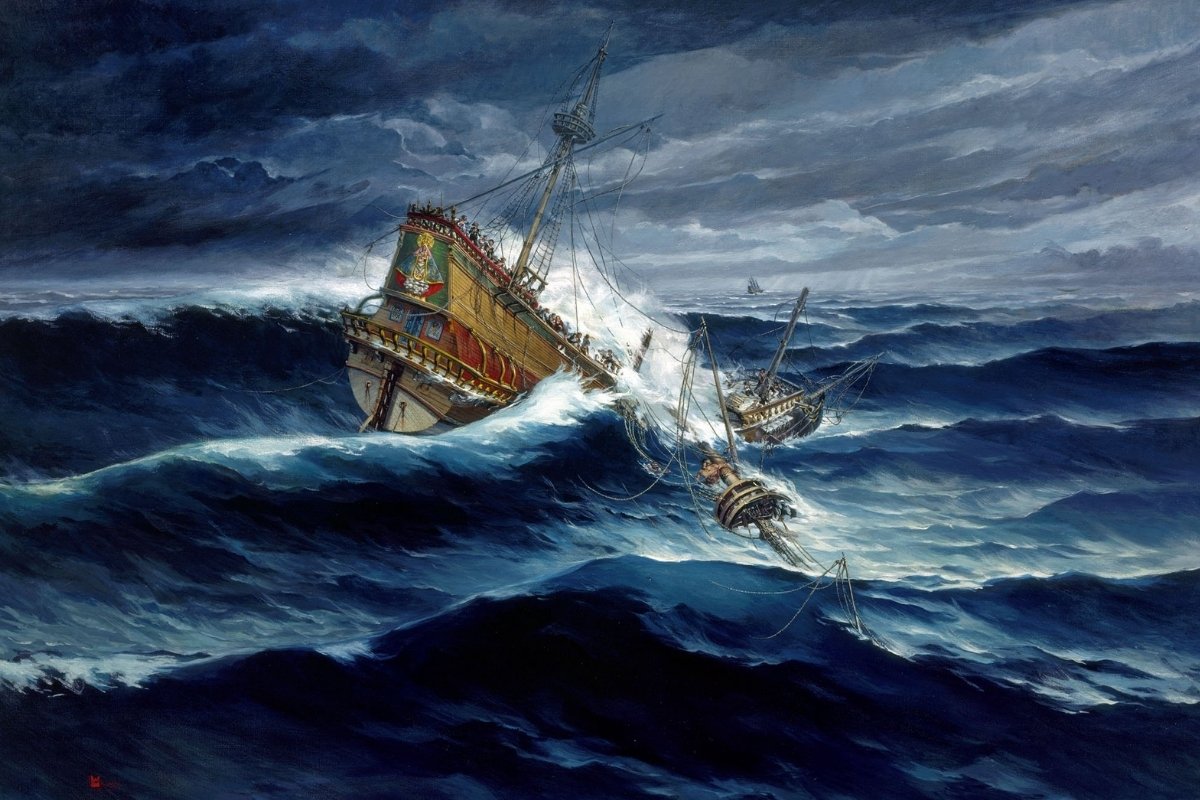
On September 5, 1622, a powerful hurricane struck the Spanish fleet shortly after its departure from Havana. The storm scattered the convoy and drove several ships onto the reefs of the Florida Keys.

The Nuestra Señora de Atocha was among the vessels that failed to escape. After striking a coral reef, the heavily loaded galleon broke apart and sank. Hundreds of passengers, soldiers, and crew members perished, while enormous quantities of treasure disappeared beneath the Atlantic Ocean.

The sinking of the Spanish galleon Nuestra Señora de Atocha during a hurricane in 1622.
The sinking of the Spanish galleon Nuestra Señora de Atocha during a hurricane in 1622. ©Unknown

Among the lost cargo were Colombian emeralds that had traveled thousands of kilometers from the Andes only to vanish beneath the sea.

Three Centuries of Mystery Beneath the Sea

Spanish authorities immediately launched salvage operations in an attempt to recover the treasure. Although some cargo from other wrecks was recovered, the main wreck of the Atocha remained elusive.

For more than three centuries, the shipwreck became one of the greatest mysteries in maritime history. Stories of lost emeralds, gold bars, silver ingots, and priceless artifacts captured the imagination of explorers and treasure hunters around the world.

As years turned into centuries, the lost emeralds of the Atocha became part of maritime legend.

Atocha Emeralds Rediscovered by Mel Fisher

The modern search for the Atocha is inseparable from the name Mel Fisher. Beginning in 1969, the American treasure hunter dedicated himself to locating the legendary wreck.

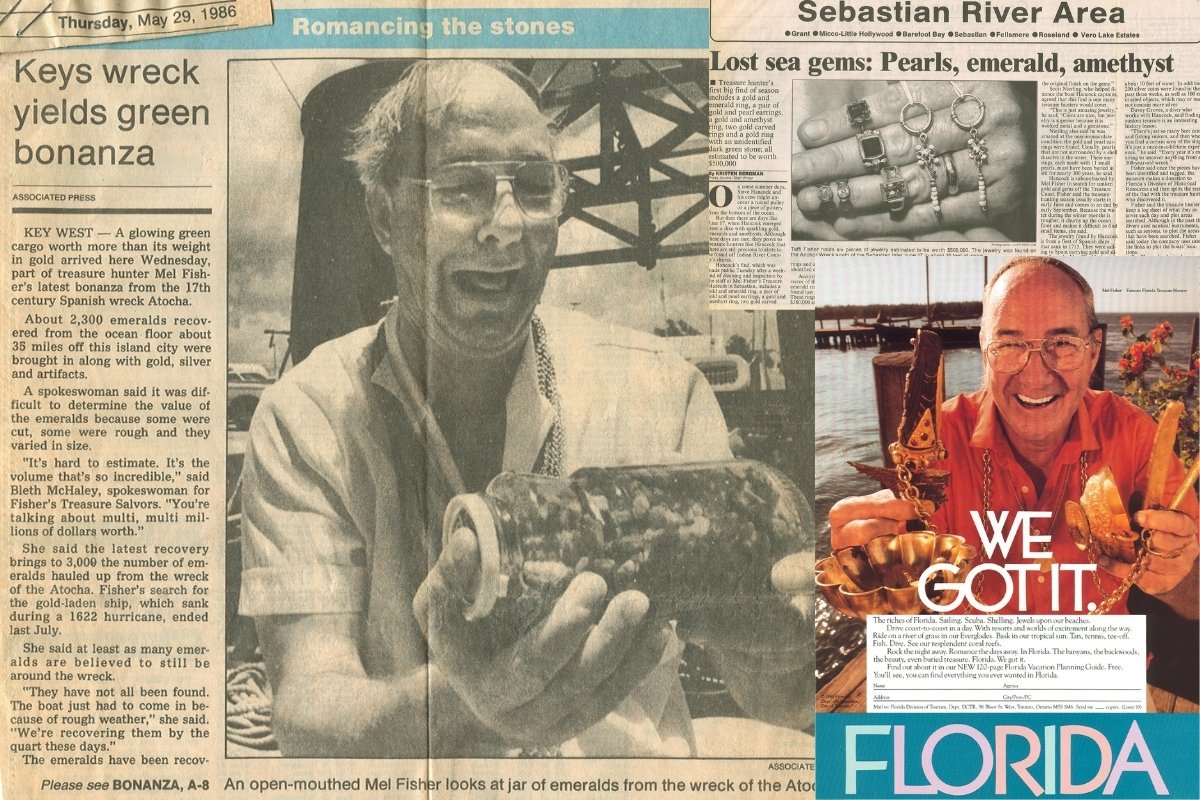
After sixteen years of research, exploration, and perseverance, Fisher’s team finally discovered the main treasure deposit in July 1985. The find became known as the “Mother Lode” and remains one of the most significant underwater discoveries ever made.

Newspaper articles reporting on the discovery made by Mel Fisher and his team
Newspaper articles on the discovery made by Mel Fisher and his team ©Mel Fisher's Treasure

Thousands of silver coins, gold artifacts, and Colombian emeralds were recovered from the seabed, confirming the scale of the treasure carried aboard the Spanish galleon.

Emerald City: The Discovery of Thousands of Colombian Emeralds

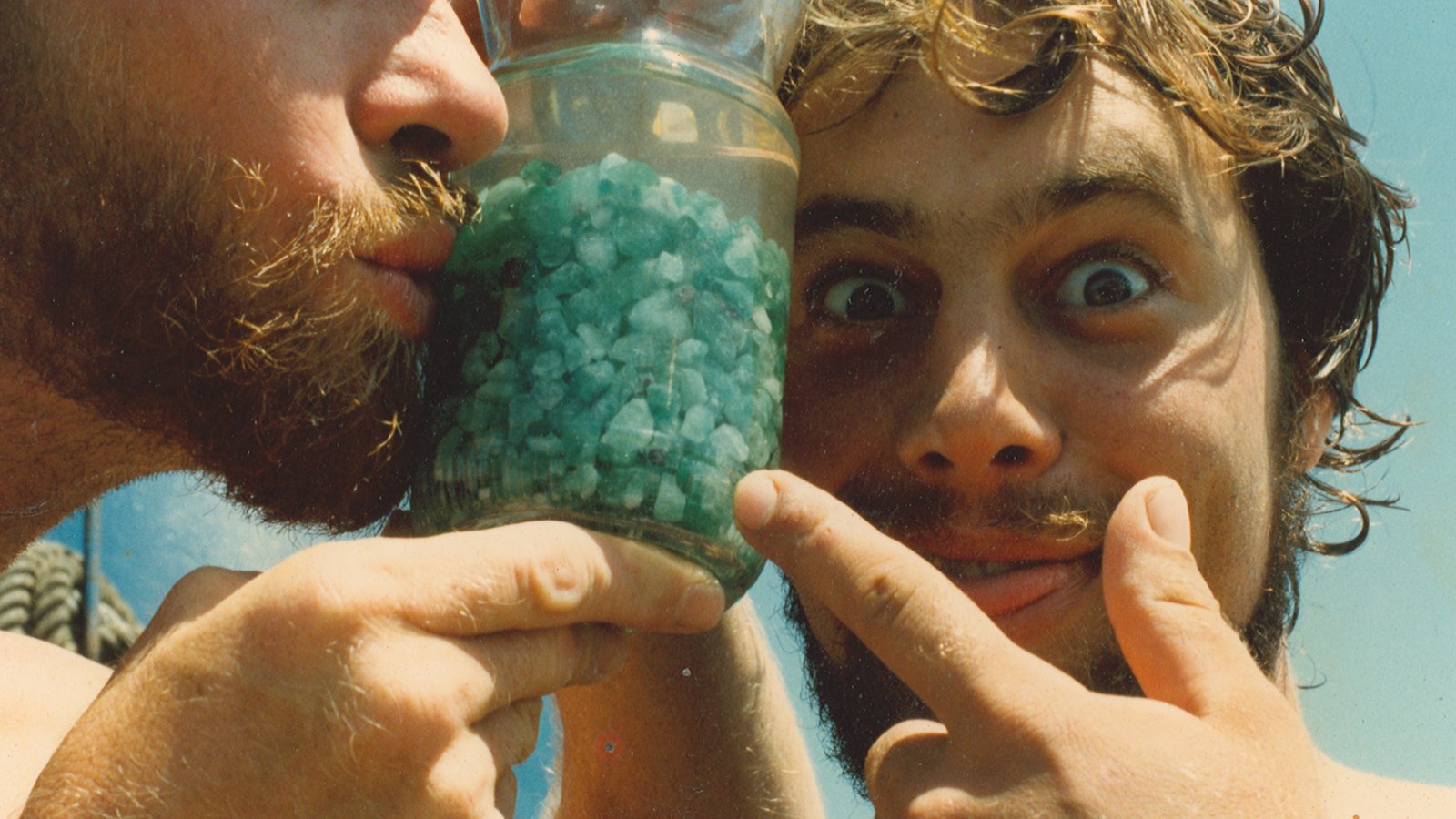
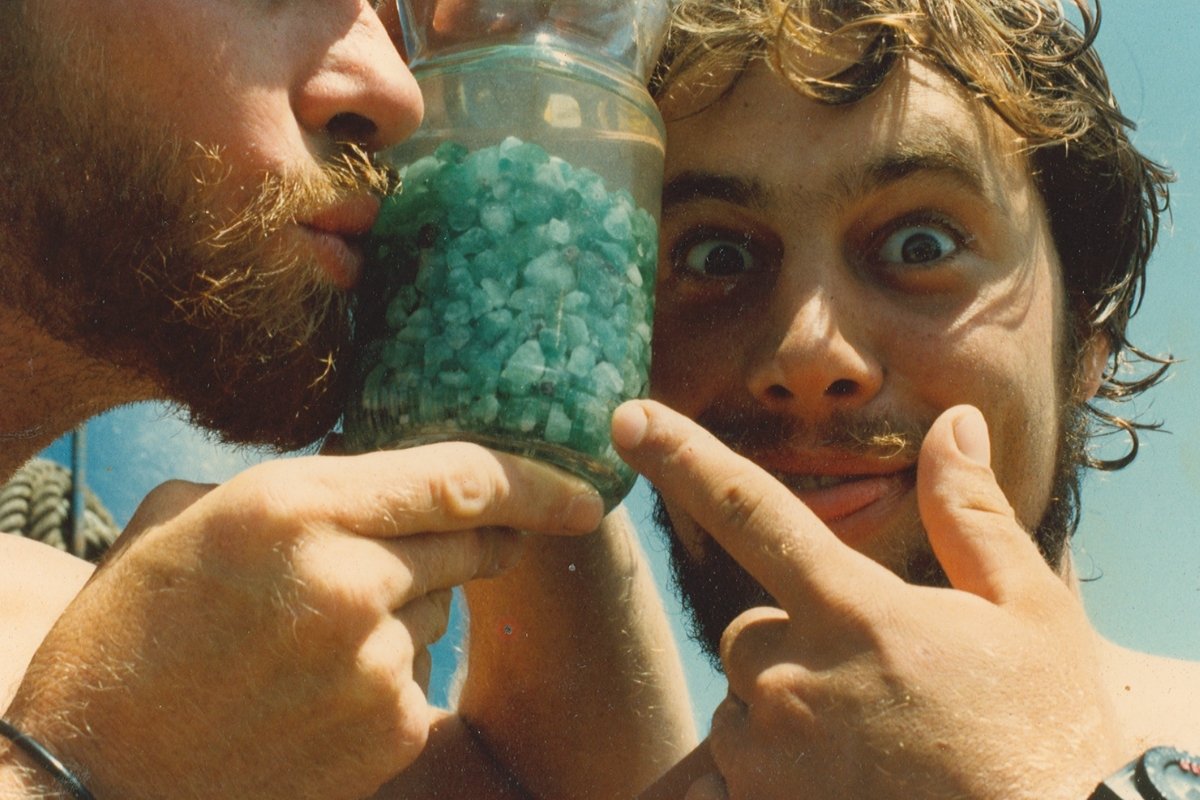
One of the most fascinating areas of the wreck site became known as “Emerald City.” Near the main treasure deposit, divers discovered hundreds of emerald crystals scattered across the ocean floor. The wooden chests that once contained the gemstones had long since decayed, allowing their contents to disperse through the surrounding sediments.

Mel Fisher's team posing with a jar full of emeralds
Mel Fisher's team posing with a jar full of emeralds. ©Mel Fisher's Treasures

Over time, more than 13,500 carats of Colombian emeralds were recovered, representing thousands of individual crystals. Researchers believe that many more may still remain buried beneath the shifting sands of the Florida Keys.

Atocha Emeralds from the Mines of Muzo and Chivor

Scientific analysis has confirmed that many recovered stones originated from the famous Muzo mining district, long regarded as the source of some of the world’s finest emeralds.

Other specimens may have come from Chivor, another historic Colombian mining region known since pre-Columbian times. Together, these mines supplied the Spanish Empire with gemstones that were prized throughout Europe and beyond.

The discovery of these emeralds provides direct evidence of the importance of Colombian gemstones in global trade during the colonial period.

Treasures, Jewelry, and Emerald Artifacts

The wreck produced far more than rough crystals. Archaeologists also recovered exceptional gold jewelry set with Colombian emeralds, including crosses, rosaries, rings, and decorative ornaments.

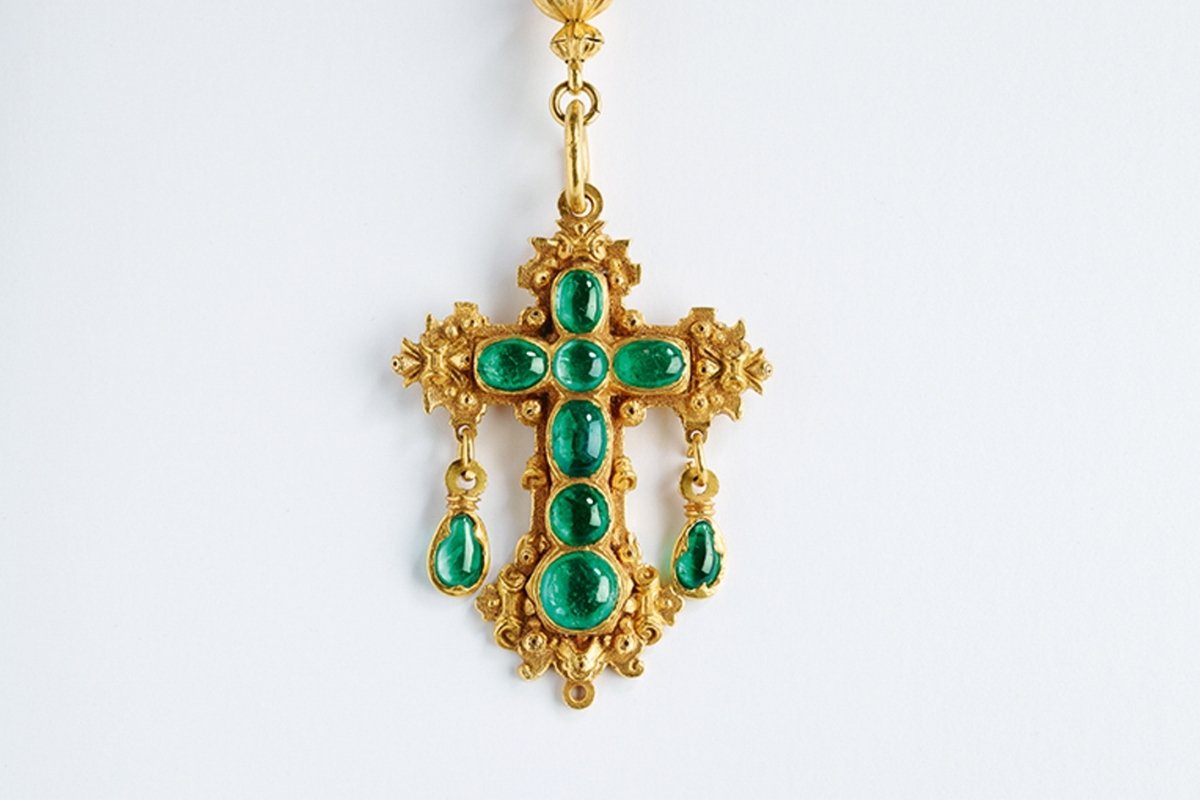
Among the most famous pieces is an ornate gold cross adorned with emeralds from Muzo. Considered one of the most important artifacts recovered from the wreck, it illustrates both the wealth and the religious culture of the Spanish colonial world.

The Atocha Cross, the most famous artifact from the Nuestra Señora de Atocha. A 22K yellow gold cross set with nine vivid green emerald cabochons ©Muzo Emerald Colombia Private Collection.
The Atocha Cross. A 22K yellow gold cross set with nine vivid green emerald cabochons ©Muzo Emerald Colombia Private Collection.

These discoveries reveal how emeralds were valued not only as gemstones but also as symbols of status, devotion, and power.

Why Atocha Emeralds Remain So Important Today

Atocha Emeralds occupy a unique place in both gemology and maritime history. Few gemstones can be linked to a journey that began in the Colombian Andes, continued across the Spanish Empire, survived a catastrophic shipwreck, and ended with a remarkable rediscovery centuries later.

Their geological origin, historical significance, and documented provenance make them highly sought after by collectors, museums, and gemstone enthusiasts worldwide.

The Legacy of the Nuestra Señora de Atocha

More than four hundred years after the sinking of the Nuestra Señora de Atocha, its emeralds continue to fascinate historians, gemologists, collectors, and treasure hunters alike.

Their story connects Colombia’s legendary emerald mines to one of the greatest shipwreck discoveries ever made and remains one of the most extraordinary chapters in the history of gemstones.

El Dorado Myth by Theodor de Bry
The Legendary Myth of El Dorado