Atocha Emeralds are among the most extraordinary gemstones ever recovered from a shipwreck. Hidden beneath the waters of the Florida Keys for more than three centuries, these Colombian emeralds were discovered alongside gold, silver, jewelry, and religious artifacts from the legendary Spanish galleon Nuestra Señora de Atocha. Their remarkable journey began in the emerald mines of Colombia and ended in one of the most celebrated treasure discoveries in maritime history.
Atocha Emeralds and the Treasure of the Spanish Empire
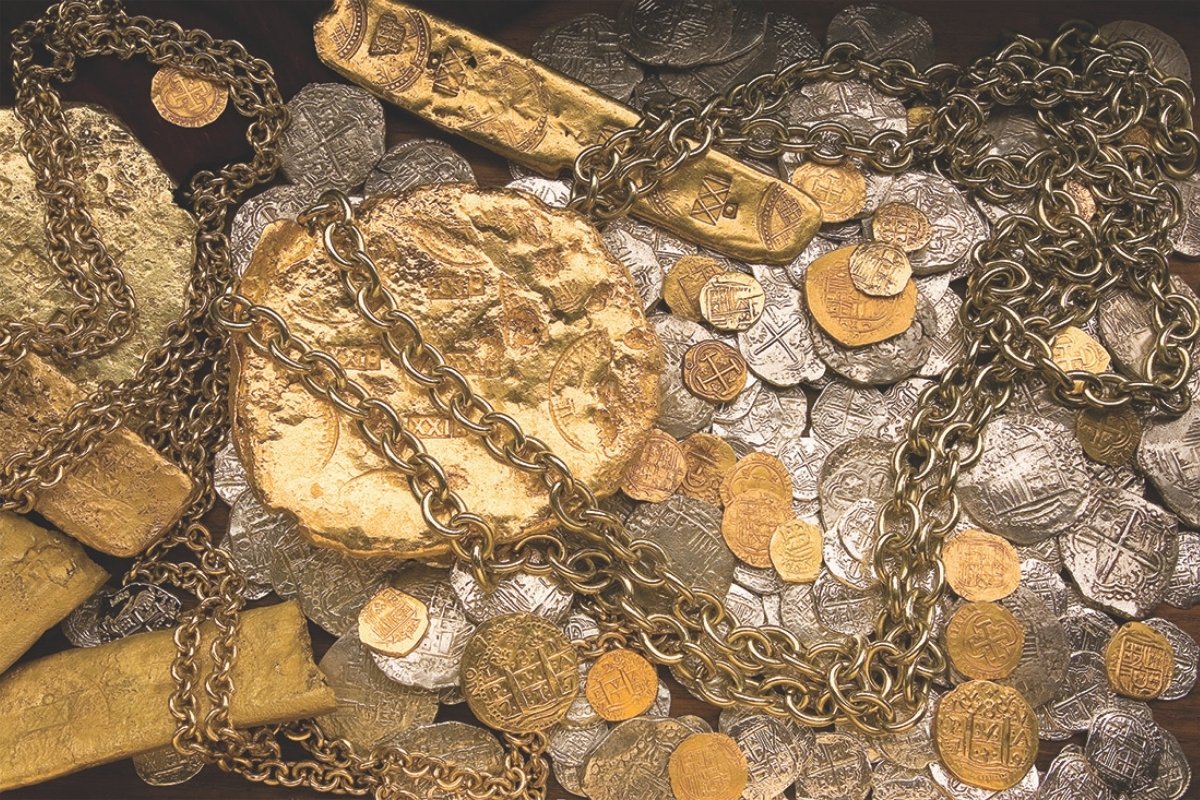
When the Nuestra Señora de Atocha left Havana in September 1622, it carried one of the richest cargoes ever assembled aboard a Spanish treasure galleon. Gold from the Americas, silver from Potosí, luxury goods, religious objects, and precious gemstones filled its holds.
Among these treasures were Colombian emeralds mined in the Eastern Andes. Highly valued by the Spanish Crown and European nobility, emeralds ranked among the most prestigious gemstones of the colonial period. Their vivid green color and exceptional quality made them symbols of wealth, power, and status throughout the Spanish Empire.
Emerald City: The Discovery of Thousands of Colombian Emeralds
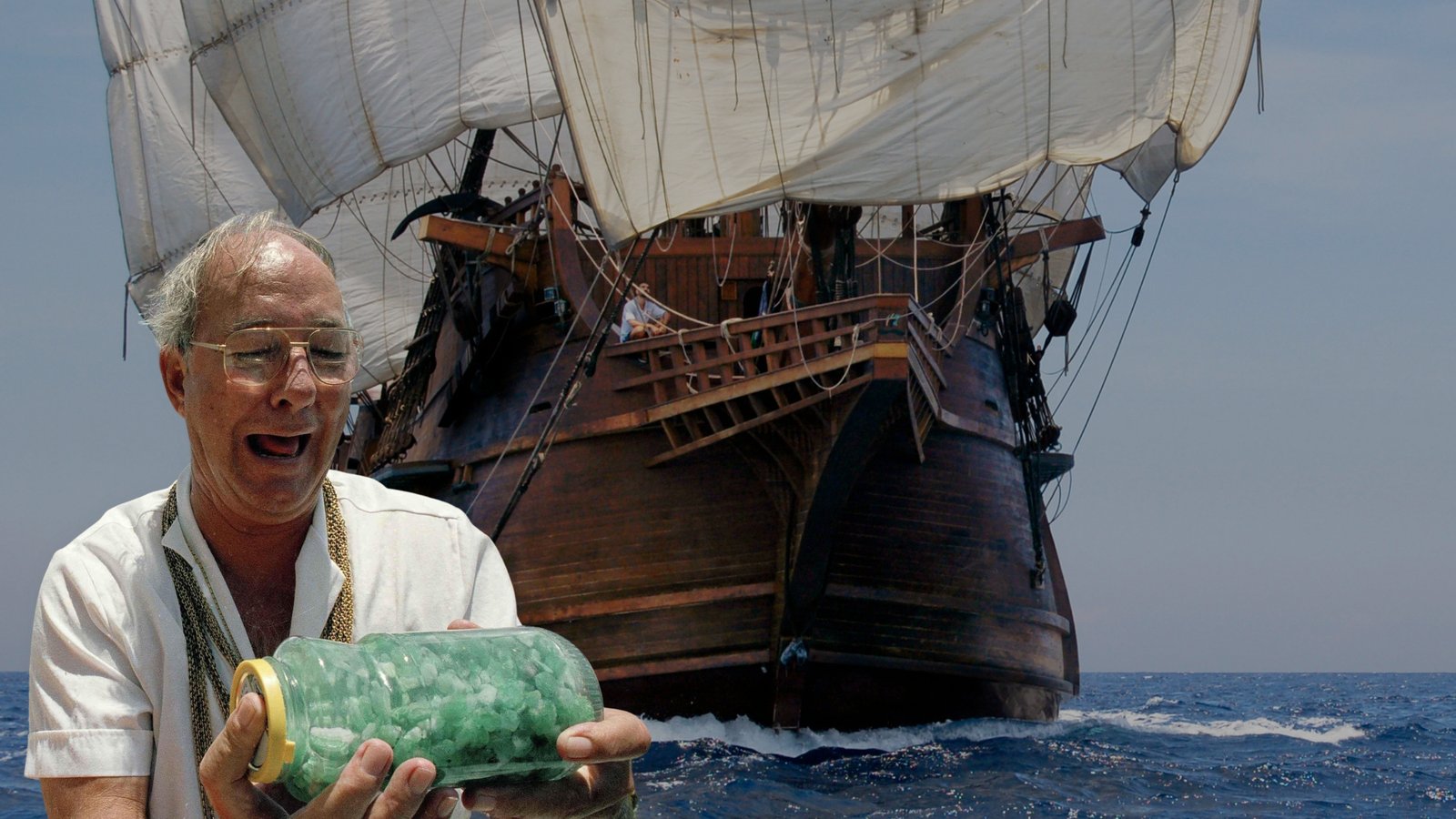
One of the most remarkable discoveries made by Mel Fisher’s team was an area later nicknamed “Emerald City.”
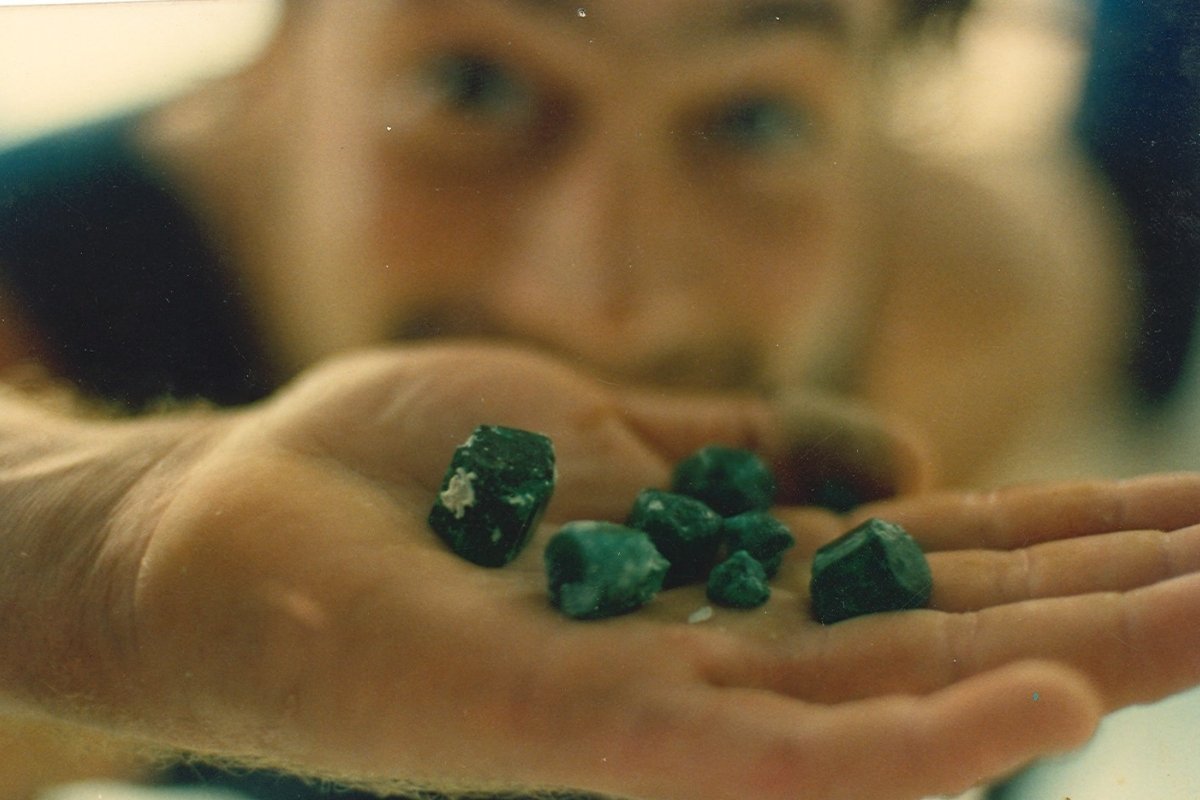
Located near the main treasure deposit, this section of the wreck site contained thousands of emerald crystals scattered across the seabed. Centuries of saltwater had destroyed the wooden chests that originally contained the gemstones, allowing currents to disperse them through the surrounding sediments.
Divers spent years carefully sifting through the sand to recover these stones. More than 13,500 carats of emeralds were eventually brought to the surface, representing over 6,000 individual crystals.
Even today, researchers believe that additional emeralds may still remain hidden beneath the sands surrounding the wreck.
The Colombian Origins of Atocha Emeralds
Scientific analysis has confirmed that many of the emeralds recovered from the wreck originated in the famous Muzo mining district of Colombia.
Known for producing some of the finest emeralds ever discovered, Muzo supplied the Spanish Empire with gemstones renowned for their exceptional color and clarity. Gemological studies also suggest that part of the cargo may have originated from Chivor, another historic emerald-producing region active during the colonial period.
These findings provide direct evidence of the global importance of Colombian emeralds during the seventeenth century and illustrate the vast commercial networks connecting South America, the Caribbean, and Europe.
The Largest Emeralds Recovered from the Wreck
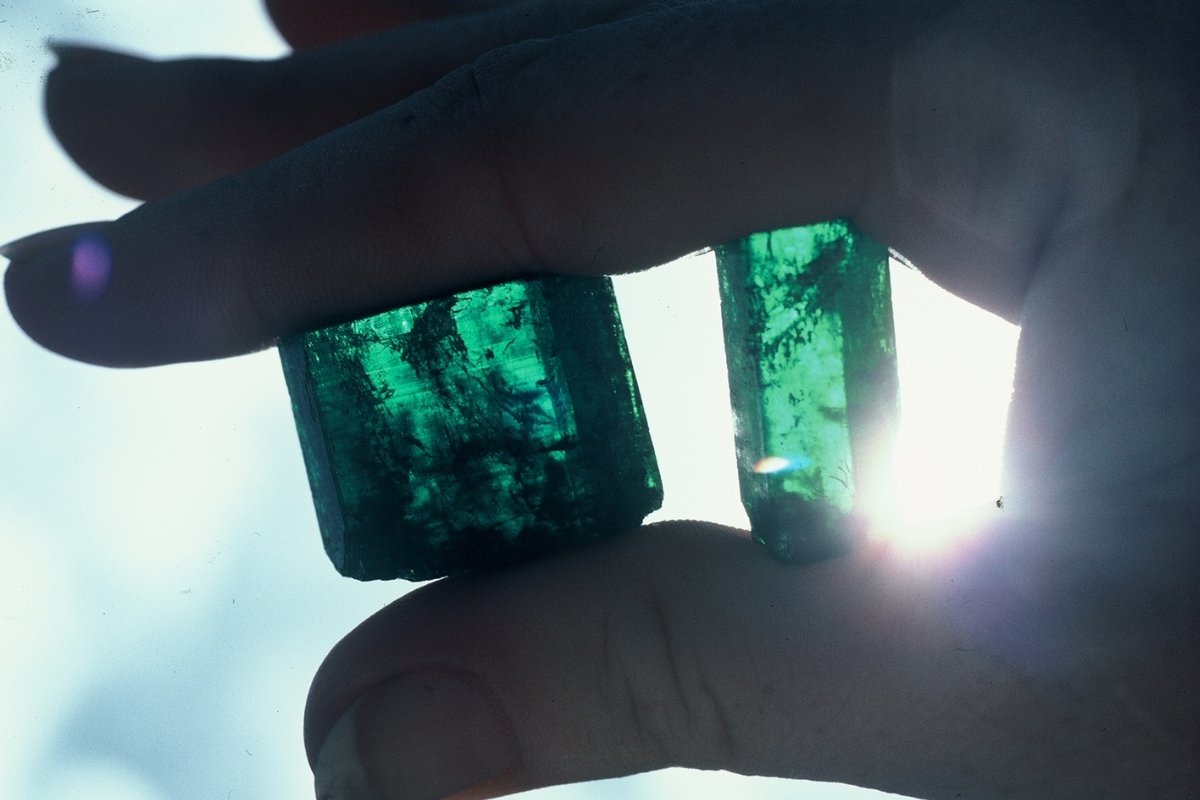
Among the thousands of crystals recovered from the Atocha, several specimens stand out for their size and quality.
The most famous is a magnificent hexagonal crystal weighing 77.76 carats. Despite spending centuries underwater, the stone preserved its exceptional transparency and vivid green color.
Many other recovered crystals display the distinctive geological characteristics associated with Colombian emeralds, making them highly desirable among collectors and museums.
Gold Crosses and Emerald Jewelry from the Atocha
The treasure recovered from the wreck included far more than loose gemstones.
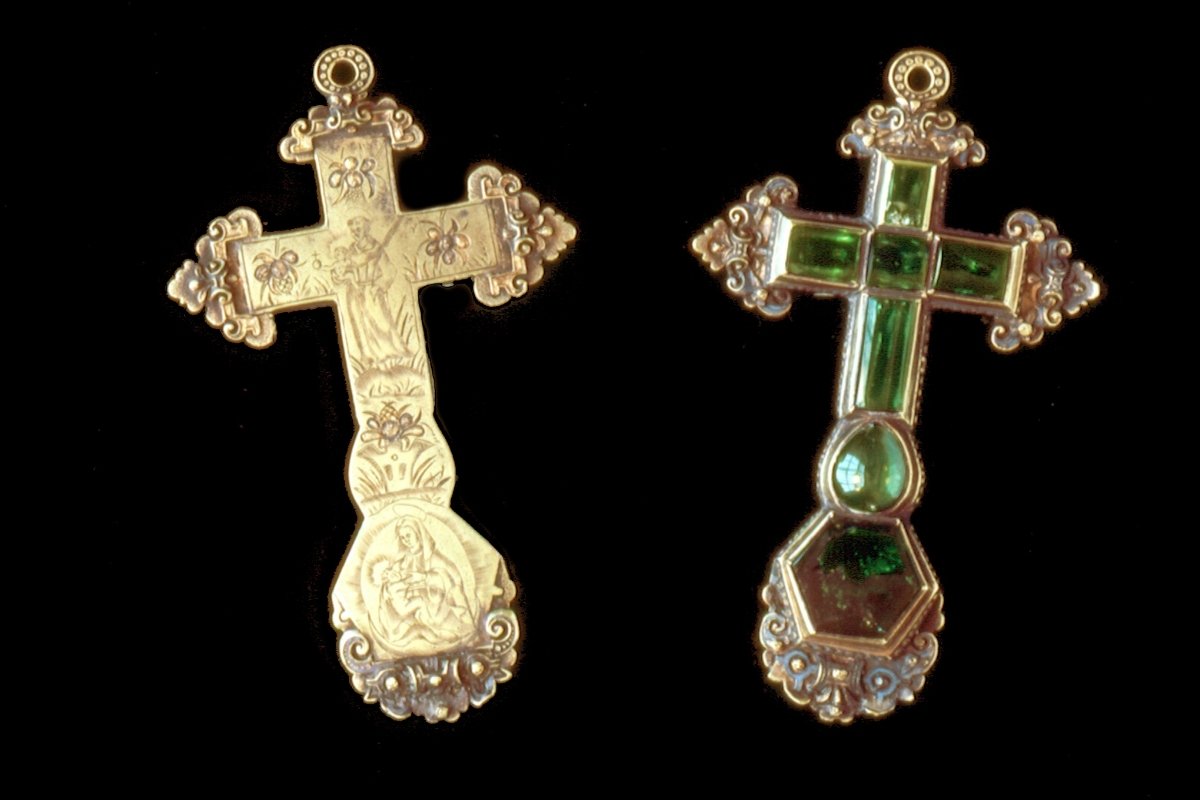
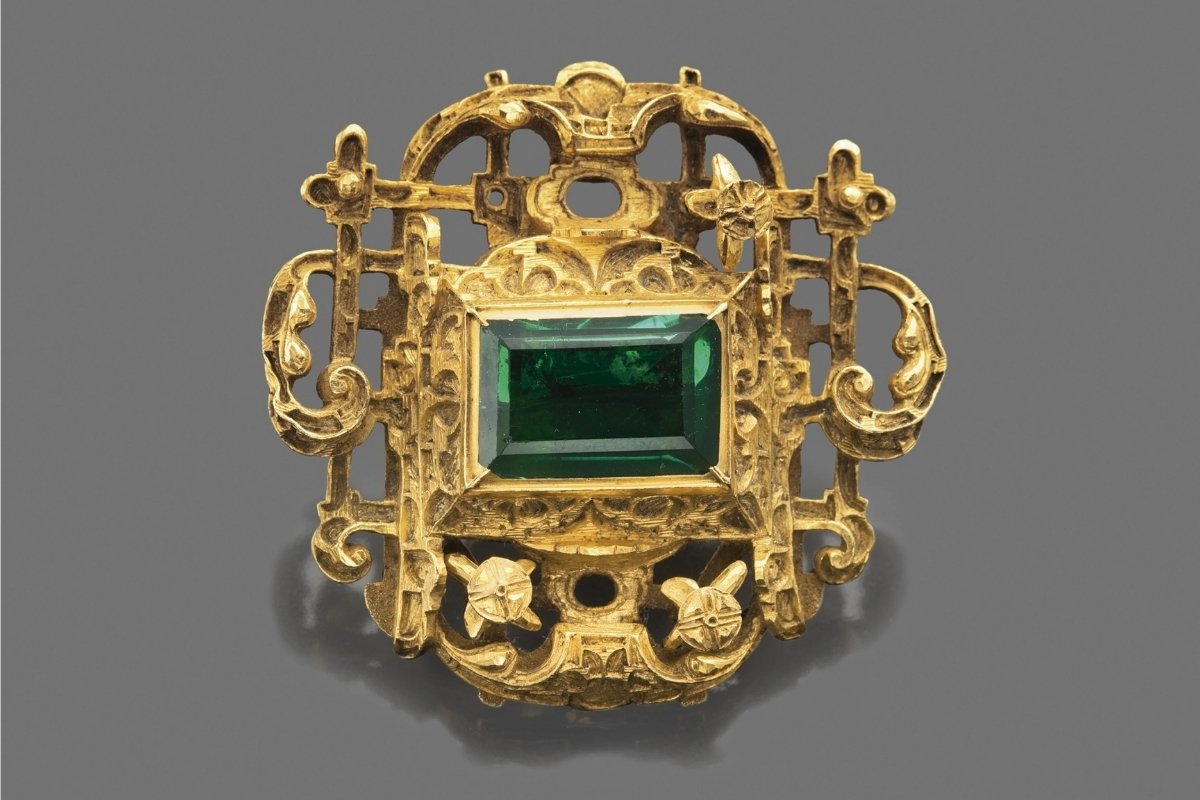
Archaeologists uncovered remarkable pieces of jewelry set with Colombian emeralds, including rings, brooches, rosaries, and elaborate gold crosses. These objects provide a rare glimpse into the wealth and artistic refinement of the Spanish colonial world.
Among the most celebrated discoveries is an ornate gold cross decorated with emeralds from Muzo. Considered one of the most valuable objects recovered from the wreck, it combines religious symbolism, craftsmanship, and gemological significance in a single artifact. Another extraordinary find was a rosary cross set with nine Colombian emeralds, illustrating the close connection between faith and wealth aboard Spanish treasure ships.
Why Atocha Emeralds Are So Valuable
The value of Atocha Emeralds extends far beyond their beauty.
Unlike most gemstones, they possess a fully documented history linking them to a specific shipwreck, a precise historical event, and some of Colombia’s most famous emerald mines. Their provenance transforms them from mineral specimens into historical artifacts.
Collectors are not simply purchasing an emerald; they are acquiring a piece of maritime history connected to the Spanish Empire, the age of exploration, and one of the most famous treasure recoveries ever achieved.
Atocha Emeralds at Museums and Auctions
Today, many of the most important emeralds and artifacts recovered from the Atocha are preserved in museums and private collections.
Others have appeared at major international auctions, often attracting intense interest from collectors. Their rarity and historical significance have helped them achieve exceptional values on the market.
One notable example is an Atocha emerald later auctioned by Sotheby’s, demonstrating the enduring fascination these gemstones continue to inspire centuries after the sinking of the ship.
Could More Atocha Emeralds Still Be Waiting to Be Found?
Despite decades of exploration, many experts believe the story of the Atocha is not yet complete. Parts of the wreck remain undiscovered, including sections that may have contained additional emeralds, jewelry, and personal possessions belonging to wealthy passengers. Periodic search campaigns continue in the waters surrounding the Florida Keys, fueled by the possibility that another major discovery still lies beneath the sand.
If such a find occurs, it could reveal new Atocha Emeralds and add another chapter to one of the greatest treasure stories ever told.