El Dorado Myth: The Ritual with Gold and Emeralds

El Dorado Myth begins not with a city of gold but a Muisca ritual at Lake Guatavita: a gilded chief casts gold dust and rough emeralds into the water. This ceremony linked faith, landscape and Colombian emeralds—and launched the legend that drew conquistadors and still defines the country’s green gem.

El Dorado Myth: The Ritual with Gold and Emeralds

El Dorado Myth begins not with a city of gold but a Muisca ritual at Lake Guatavita: a gilded chief casts gold dust and rough emeralds into the water. This ceremony linked faith, landscape and Colombian emeralds—and launched the legend that drew conquistadors and still defines the country’s green gem.

In this article

The El Dorado Myth

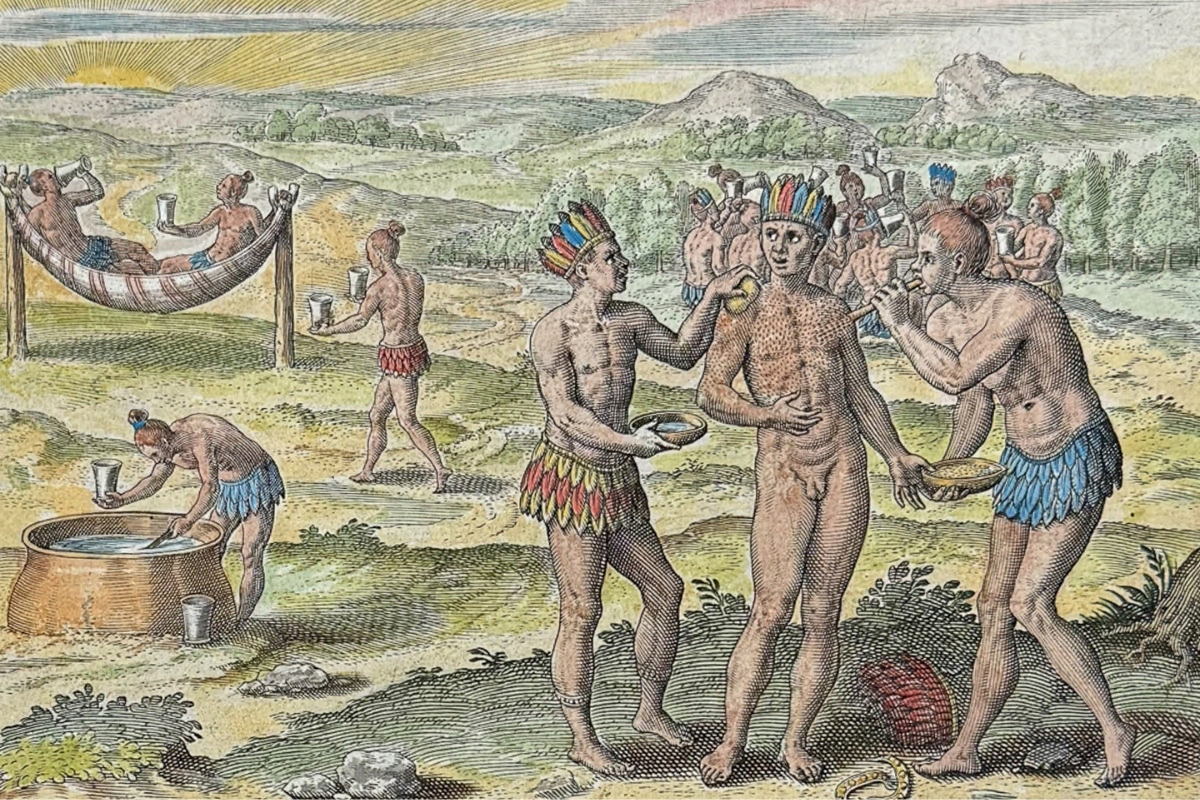
El Dorado myth doesn’t start with a lost city; it starts with a ceremony. Among the Muisca people (the Muiscas), a new zipa was consecrated on Lake Guatavita: covered in resin and gold dust, standing on a reed raft piled with offerings—gold pieces, incense… and rough emeralds cast into the green water for the gods.

El Dorado myth at Lake Guatavita

Before the Spanish arrived, the highland Muisca marked a new zipa’s investiture with a lake-borne rite: incense burners, songs, a raft piled with gifts, and the gleaming figure of the chief at its center. When silence fell, offerings—rough emeralds and crafted gold—were cast into the green water. (Learn how the Muisca lived and why emeralds mattered to them).

El Dorado Myth by Theodor de Bry
A 1590 engraving by Theodor de Bry depicting the legendary king of El Dorado being anointed with gold dust

Gold dust and emerald offerings

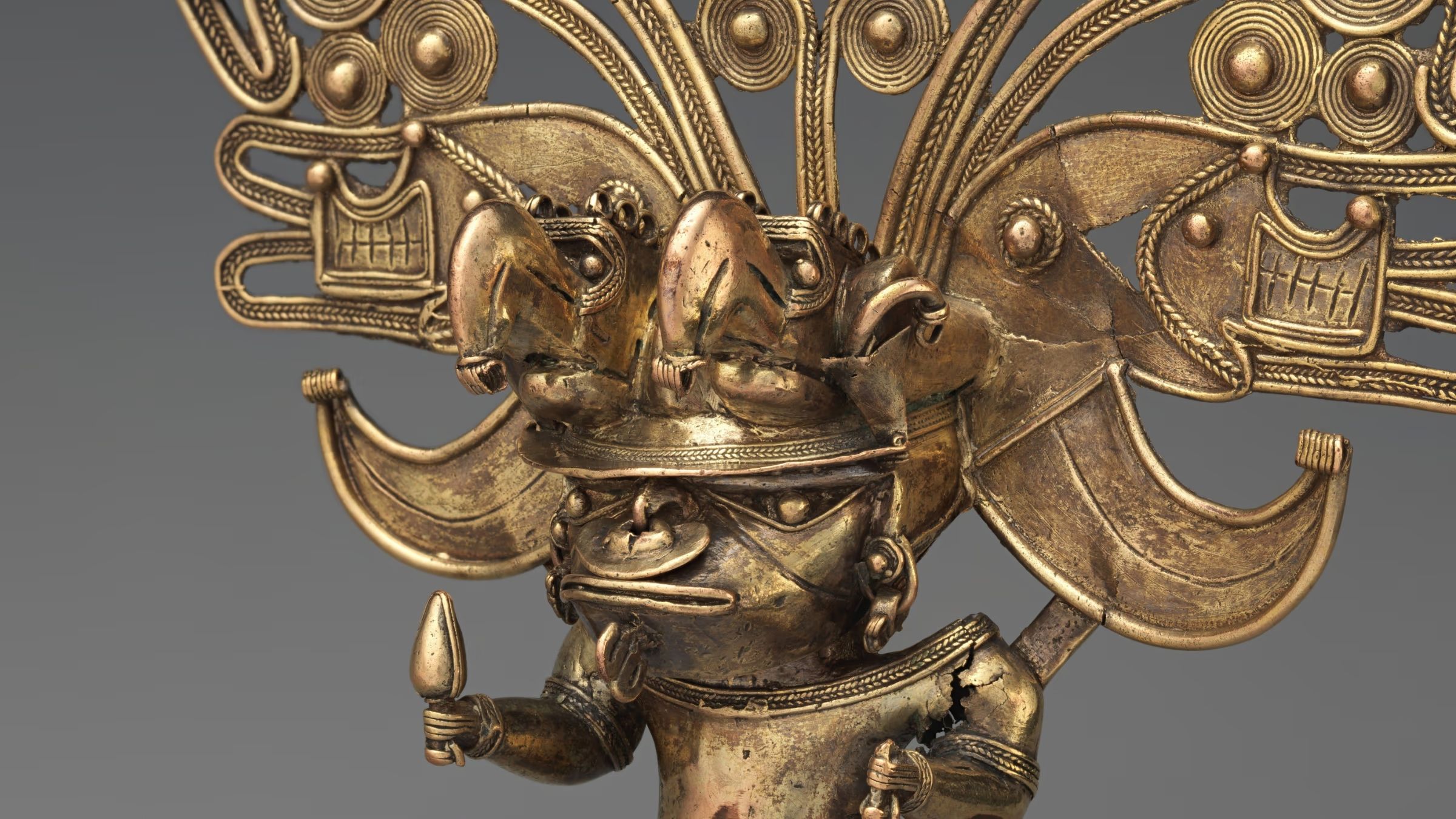
Gold signified sunlight and renewal; emeralds spoke of water, life and purity. Together they were a theology in two materials, explaining why later attempts to drain Guatavita exposed gold ornaments and small emeralds along the rim. For the Muiscas, value wasn’t just price—it was relationship: people, place and stone bound into one ritual act.

From rite to rumor: how the El Dorado myth spread

Rumors of the “gilded man” sprinted through the Andes in the 1530s. Expeditions raced toward the Bogotá plateau and far beyond, chasing El Dorado from the Magdalena to the Orinoco and Amazon. They never found a golden city. What they did encounter were El Dorado emeralds in trade and tribute—stones that redirected Europe’s attention to Colombia’s green treasure.

Draining the lake: treasure hunts and evidence

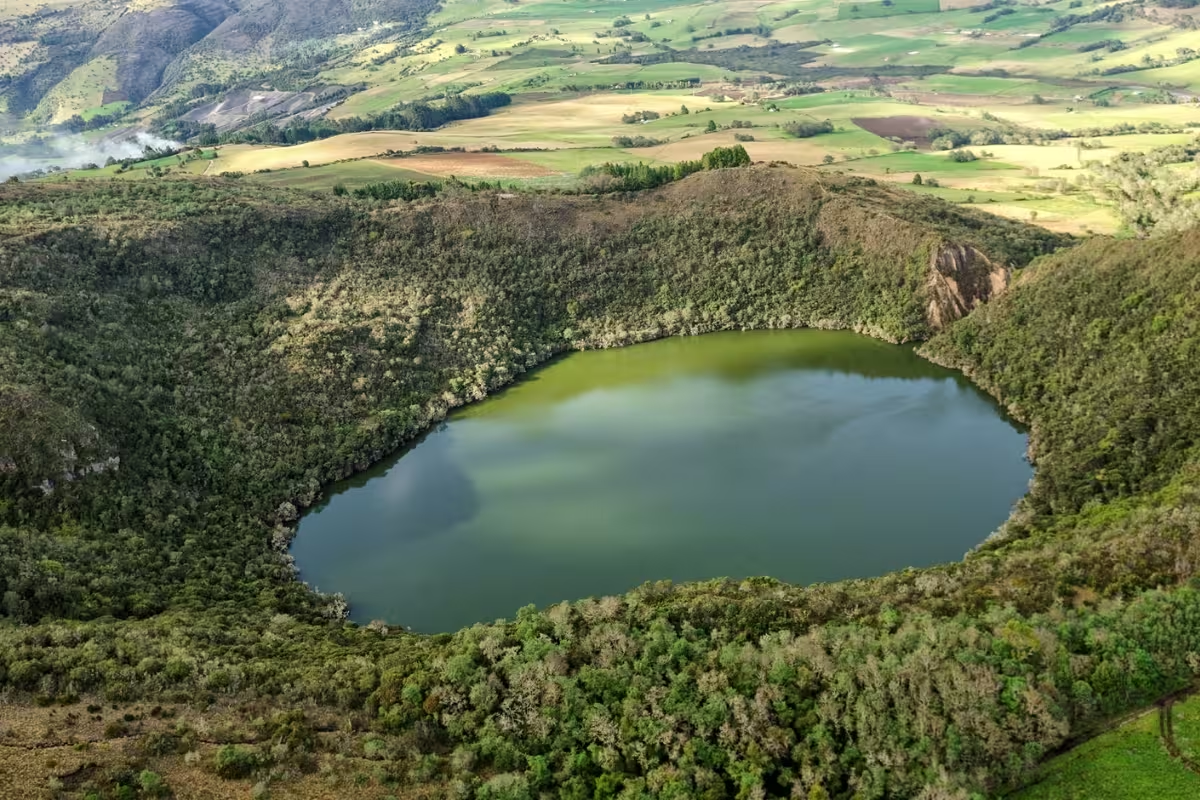
In 1580 Antonio de Sepúlveda cut a channel into Guatavita’s crater to lower the waters. Crews uncovered gold pieces and small emeralds along the exposed rim before landslides and local resistance halted the work. A British attempt in 1911 failed for the same reason nature always wins there: unstable geology. The largest “treasure” left behind was historical—confirmation that emerald offerings really happened.

Lake Guatavita
Lake Guatavita. The attempt to drain the lake is clearly visible.

Why El Dorado emeralds still matter

Today the myth’s power lies in how it joins people, landscape and gem: sacred lake, golden light and Colombian emeralds cast to the deep. That image fueled centuries of exploration and set Colombia at the heart of emerald lore. When we speak of El Dorado myth and emeralds, we’re naming the moment a ritual became a global story.

Comments & Questions

Have a question, correction, or insight to add? Share it below. We read every comment and moderate for clarity and civility.

Leave a Comment

Your email address will not be published. Required fields are marked *