Gonzalo Jiménez de Quesada: Conquering the Muiscas

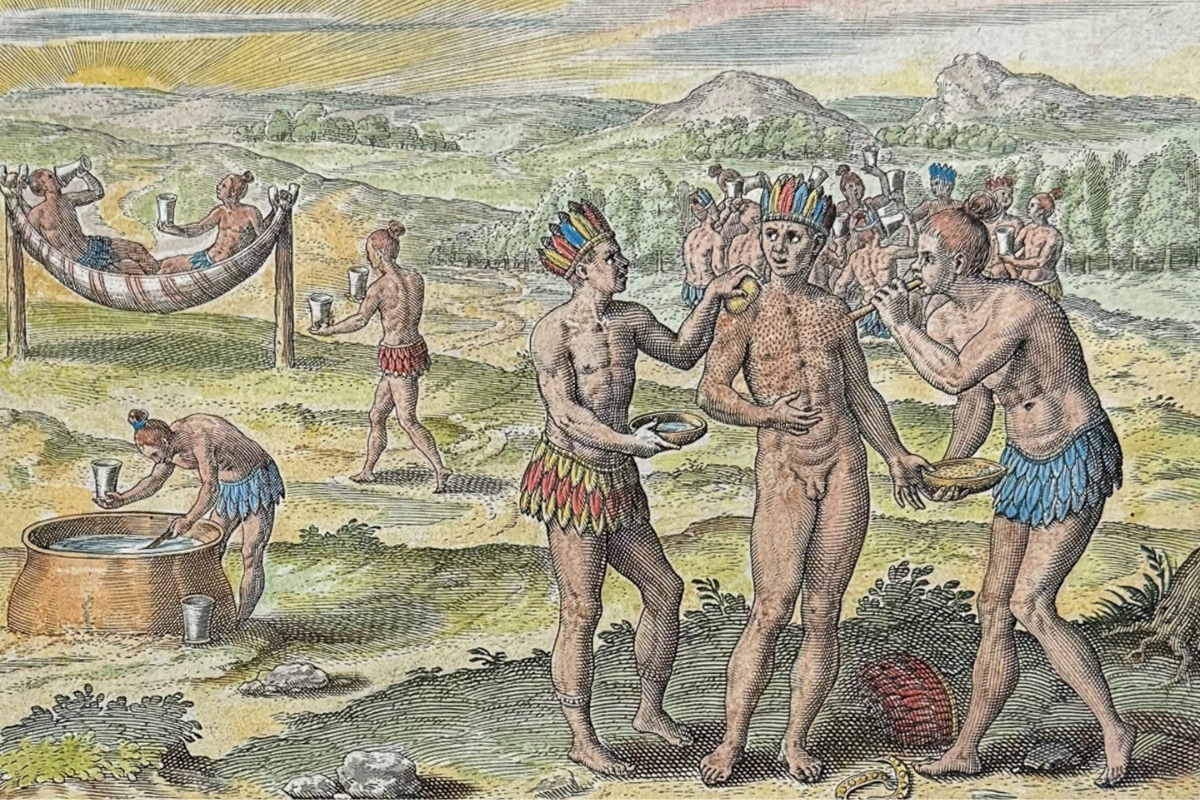
Gonzalo Jiménez de Quesada expedition left Santa Marta with ~700 men, reached the highlands in 1537, and confronted Muisca chiefdoms. Battles at Funza, Sagipa's contested rule, Hunza's fall and the burning of Sugamuxi set Spain's foothold-and pointed toward Somondoco, tying conquest routes to Colombian emeralds.

Gonzalo Jiménez de Quesada: Conquering the Muiscas

Gonzalo Jiménez de Quesada expedition left Santa Marta with ~700 men, reached the highlands in 1537, and confronted Muisca chiefdoms. Battles at Funza, Sagipa's contested rule, Hunza's fall and the burning of Sugamuxi set Spain's foothold-and pointed toward Somondoco, tying conquest routes to Colombian emeralds.

In this article

Jiménez de Quesada’s Expedition is the next chapter after the Spanish landings: in 1536 Gonzalo Jiménez de Quesada left Santa Marta with c.700 men to force a route inland in search of gold and emeralds. Unlike the great empires elsewhere, he faced a mosaic of peoples, swamps, jungle and mountains before the march finally reached the highlands.

Jiménez de Quesada's expedition: up the Magdalena River to the plateau (1536-1537)

The column advanced along the Magdalena River, despite disease, famine, and skirmishes with the indigenous populations. In March 1537, barely 166 survivors reached the northern edge of the Bogota highlands and the first Muisca communities in Chipatá, thus beginning the conquest of the Muisca territory proper.

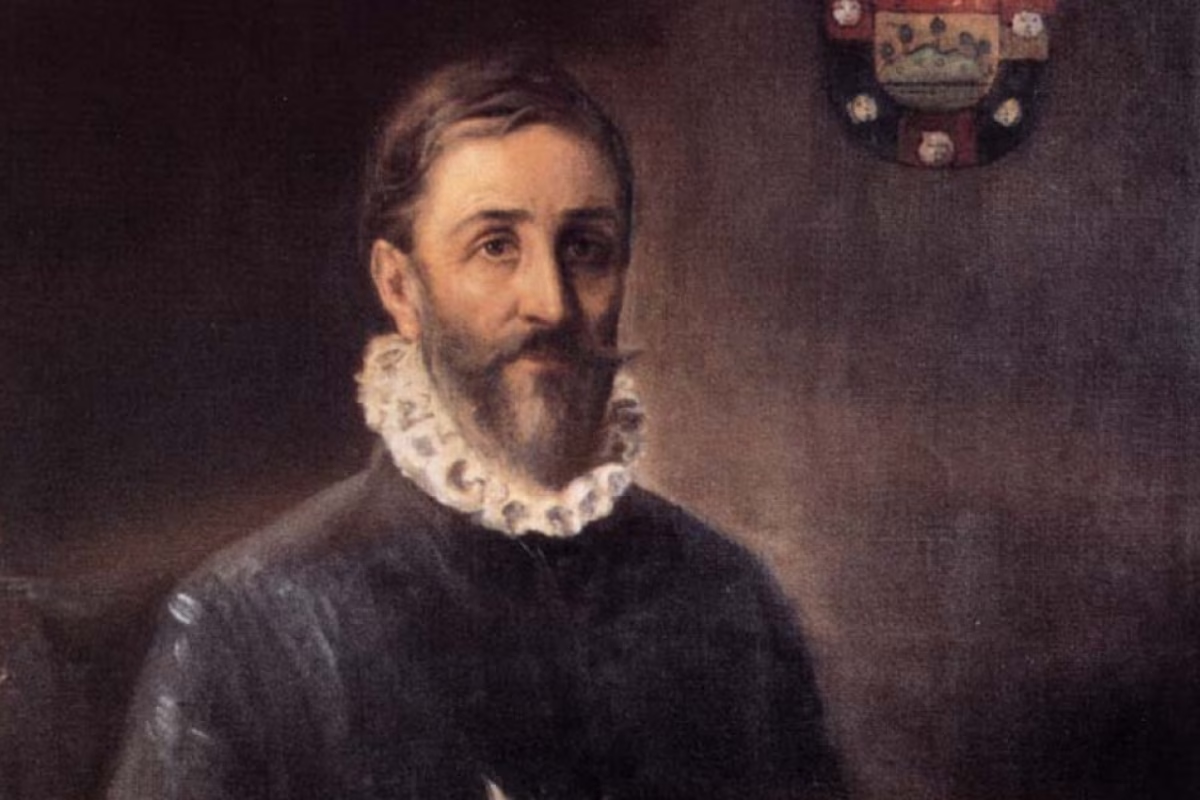
The Spanish conquistador Gonzalo Jiménez de Quesada, key figure in Spanish conquest of Colombia
The Spanish conquistador Gonzalo Jiménez de Quesada

First encounters and the trail of emeralds

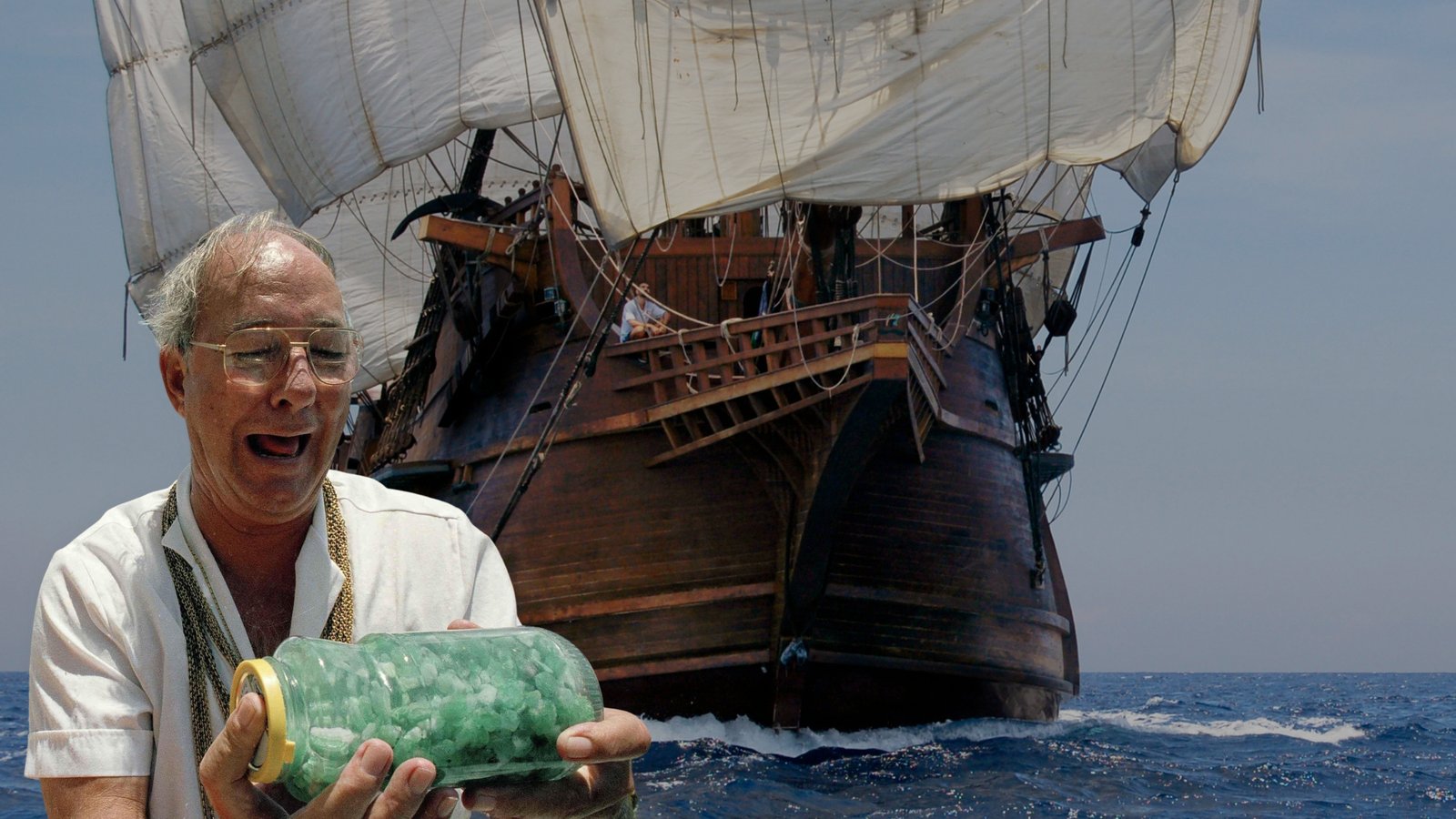
As Quesada advanced through the savannah, reports of emeralds multiplied. He ordered Captain Pedro Fernández Valenzuela to locate the mines. Six days later, Valenzuela and his group reached mining operations in a high, sparsely populated mountain range. They observed the miners at work and heard about a local cacique, Somyndoco, who had many vassals. News of vast plains beyond led Quesada to move his camp closer to the mines.

War, succession, alliance, and betrayal

Near Funza, the Spanish fought the warriors of Tisquesusa; the zipa was mortally wounded and died while fleeing, thus fulfilling a sinister prophecy. The succession was turbulent: although matrilineal custom designated a nephew, the warriors proclaimed Sagipa (Zaquesazipa). Faced with hostility from the Panches, Sagipa sought peace with Gonzalo Jimenez de Quesada, arriving in great pomp with gold figurines, emeralds, and cotton fabrics. Their combined forces subdued the Panches, but Quesada then demanded that Sagipa fill a hut to the roof with gold and emeralds. Unable to meet this demand, Sagipa was captured, tortured, and died of his wounds in 1539.

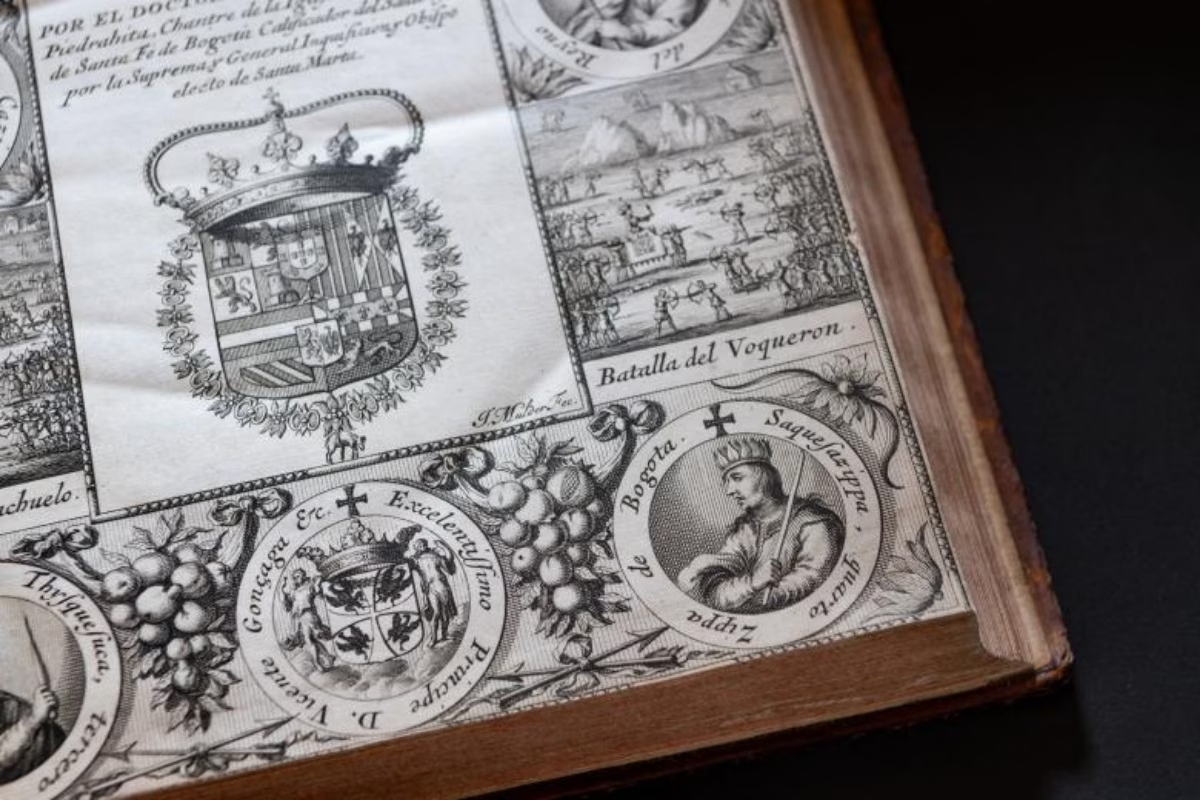
Portrait of Sagipa, the last Zipa of Bacata (Bogotá), who allied himself with Gonzalo Jiménez de Quesada, from Historia General de las Conquistas del Nuevo Reyno de Granada by Lucas Fernandez de Piedrahita.
Portrait of Sagipa, the last Zipa of Bacata (Bogotá) from Historia General de las Conquistas del Nuevo Reyno de Granada by Lucas Fernandez de Piedrahita

Northern centers: Hunza and Sugamuxi

In August 1537, Jímenez de Quesada entered Hunza (now Tunja), seat of the northern zaque Quemuenchatocha. Treasures of gold and emeralds were hidden before the arrival of the conquistadors; the city fell without much resistance, and the zaque was taken prisoner, dying a few months later in captivity. In September 1537, the sacred Temple of the Sun in Sugamuxi (Sogamoso) was set on fire, melting large quantities of gold. By the end of the year, most of the Muisca confederation was occupied, with a few pockets of resistance remaining in the north.

The founding of Santa Fe de Bogotá by Jiménez de Quesada

On August 6, 1538, Gonzalo Jiménez de Quesada founded Santa Fe de Bogotá on the site of the former capital of the zipa of Bacatá, thereby formalizing his control over the plateau. Shortly thereafter, Sebastián de Belalcazar, coming from the south, and Nikolaus Federmann, coming from the east, arrived almost simultaneously, each claiming the conquest. The three captains agreed to submit the dispute to the Crown; Quesada sailed for Spain in 1539, leaving a garrison as the royal administration for the New Kingdom of Granada that was taking shape.

Comments & Questions

Have a question, correction, or insight to add? Share it below. We read every comment and moderate for clarity and civility.

Leave a Comment

Your email address will not be published. Required fields are marked *